In an ever-evolving world, the significance of lifelong learning cannot be overstated. It serves as a cornerstone for personal development and adaptability in a rapidly changing society.
This ongoing process not only enriches individuals intellectually but also fosters a sense of curiosity and engagement with the world around them. As industries transform and new technologies emerge, the ability to learn and adapt becomes essential for maintaining relevance in one’s career and personal life. Moreover, lifelong learning contributes to a more informed and enlightened society.
Individuals who commit to continuous education are better equipped to engage in meaningful discussions, make informed decisions, and contribute positively to their communities. This collective growth leads to a more innovative and resilient society, capable of tackling complex challenges. In essence, lifelong learning is not merely an individual endeavor; it is a societal necessity that promotes progress and understanding across diverse fields and disciplines.
Key Takeaways
- Lifelong learning is essential for continuous personal and professional development.
- Cultivating a growth mindset helps overcome challenges and stay motivated to learn.
- Technology offers diverse tools and resources to support ongoing education.
- Lifelong learning enhances adaptability and career advancement in the workplace.
- Creating a structured learning plan aids in setting goals and tracking progress effectively.
How to Cultivate a Lifelong Learning Mindset
Cultivating a lifelong learning mindset begins with fostering curiosity and openness to new experiences. Individuals can start by embracing the idea that learning does not stop after formal education; rather, it is a continuous journey that can take many forms. This mindset encourages individuals to seek out new knowledge, whether through reading, attending workshops, or engaging in discussions with others.
By viewing challenges as opportunities for growth rather than obstacles, individuals can develop resilience and a proactive approach to learning. Additionally, setting specific learning goals can significantly enhance one’s commitment to lifelong education. By identifying areas of interest or skills that need improvement, individuals can create a roadmap for their learning journey.
This could involve enrolling in online courses, joining community groups focused on particular subjects, or even pursuing hobbies that stimulate intellectual growth. The key is to remain flexible and adaptable, allowing for exploration in various fields while maintaining focus on personal objectives.
Overcoming Barriers to Lifelong Learning

Despite the numerous benefits of lifelong learning, many individuals encounter barriers that hinder their pursuit of knowledge. Time constraints often top the list of challenges, as busy schedules filled with work and family responsibilities can leave little room for personal development. However, overcoming this barrier requires a shift in perspective; individuals can prioritize learning by integrating it into their daily routines.
For instance, dedicating just a few minutes each day to reading or listening to educational podcasts can yield significant results over time. Another common barrier is the fear of failure or inadequacy. Many individuals hesitate to engage in new learning experiences due to concerns about their abilities or the potential for making mistakes.
To combat this fear, it is essential to adopt a growth mindset—recognizing that mistakes are an integral part of the learning process. By reframing failures as opportunities for improvement, individuals can build confidence and resilience, ultimately fostering a more positive attitude toward lifelong learning.
The Benefits of Lifelong Learning for Personal and Professional Growth
The advantages of lifelong learning extend far beyond acquiring new knowledge; they encompass profound personal and professional growth. On a personal level, engaging in continuous education enhances critical thinking skills and promotes self-awareness. Individuals who actively seek knowledge often find themselves more adaptable and open-minded, qualities that enrich their relationships and interactions with others.
Furthermore, lifelong learners tend to experience increased satisfaction and fulfillment in their lives as they pursue passions and interests that resonate with them. Professionally, the benefits are equally compelling. In today’s competitive job market, employers increasingly value candidates who demonstrate a commitment to ongoing education and skill development.
Lifelong learners are often seen as proactive individuals who take initiative in their careers, making them more attractive to potential employers. Additionally, continuous learning can lead to career advancement opportunities, as individuals who stay updated on industry trends and innovations are better positioned to take on leadership roles or pivot into new fields.
Utilizing Technology for Lifelong Learning
| Metric | Description | Example Value | Unit |
|---|---|---|---|
| Learning Rate | Speed at which new information is acquired | 0.75 | Scale (0-1) |
| Retention Rate | Percentage of information retained over time | 85 | % |
| Engagement Time | Average time spent actively learning | 45 | Minutes |
| Assessment Score | Average score on learning assessments | 88 | % |
| Completion Rate | Percentage of learners completing a course | 92 | % |
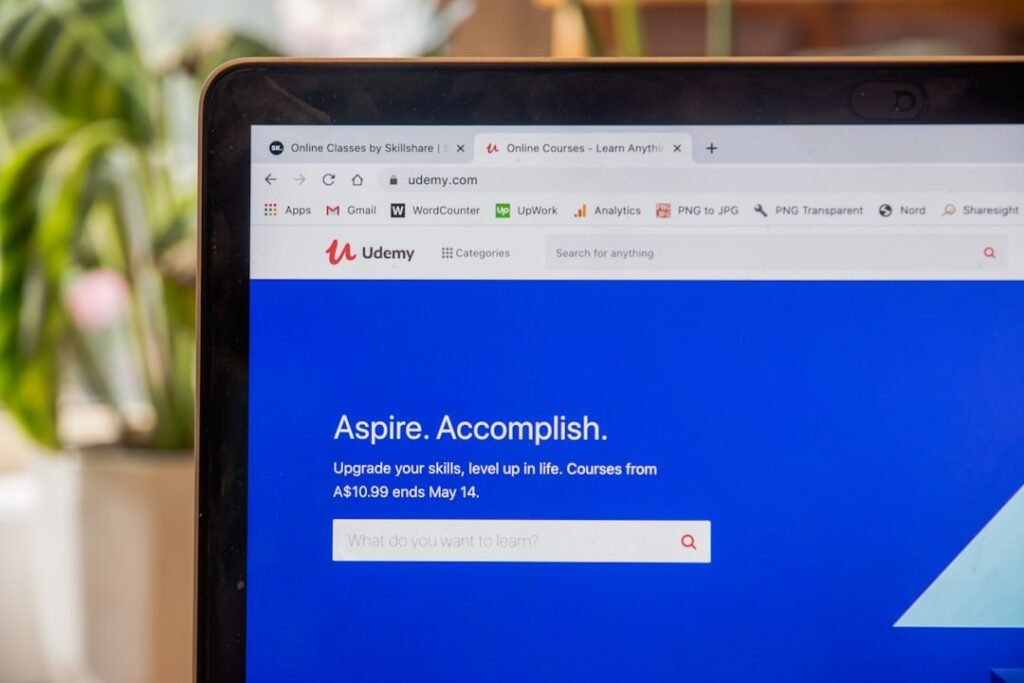
In the digital age, technology has revolutionized the way individuals approach lifelong learning. The internet offers an abundance of resources that make education more accessible than ever before. Online courses, webinars, and educational platforms provide opportunities for individuals to learn at their own pace and on their own terms.
This flexibility allows learners to balance their educational pursuits with other commitments, making it easier to integrate learning into their daily lives. Moreover, technology facilitates collaboration and networking among learners from diverse backgrounds. Social media platforms and online forums enable individuals to connect with experts and peers who share similar interests.
This exchange of ideas not only enriches the learning experience but also fosters a sense of community among lifelong learners. By leveraging technology effectively, individuals can enhance their educational journeys and stay engaged with the latest developments in their fields.
Lifelong Learning in the Workplace

The workplace is an ideal environment for fostering a culture of lifelong learning. Organizations that prioritize employee development create an atmosphere where continuous education is encouraged and supported. This commitment not only benefits employees but also enhances overall organizational performance.
Companies that invest in training programs and professional development opportunities often see increased employee satisfaction, retention rates, and productivity levels. Furthermore, promoting lifelong learning within the workplace cultivates innovation and adaptability among teams. Employees who are encouraged to pursue new skills and knowledge are more likely to contribute fresh ideas and solutions to challenges faced by the organization.
By creating a culture that values continuous improvement, companies can remain competitive in an ever-changing market while empowering their workforce to reach its full potential.
Tips for Finding and Pursuing Lifelong Learning Opportunities
Finding and pursuing lifelong learning opportunities requires intentionality and exploration. One effective strategy is to identify personal interests or professional goals that align with potential learning experiences. Individuals can start by researching local workshops, seminars, or community classes that cater to their interests.
Additionally, online platforms such as Coursera, Udemy, or LinkedIn Learning offer a plethora of courses across various subjects, making it easy for learners to find relevant content. Networking also plays a crucial role in discovering new opportunities for education. Engaging with colleagues, mentors, or industry professionals can lead to recommendations for workshops or conferences that may not be widely advertised.
Joining professional organizations or attending industry events can further expand one’s network while providing access to valuable resources for continuous learning.
Creating a Lifelong Learning Plan
Developing a lifelong learning plan is an essential step toward achieving personal and professional growth goals. This plan should begin with self-assessment—individuals must evaluate their current skills, interests, and areas for improvement. By identifying specific objectives, learners can create a structured approach to their educational pursuits.
This may include setting aside dedicated time each week for learning activities or enrolling in specific courses that align with their objectives. Regularly reviewing progress and adjusting the plan as needed will ensure that individuals remain engaged and motivated throughout their lifelong learning journey.
Ultimately, a well-crafted lifelong learning plan serves as a roadmap for continuous growth and development in an ever-changing world.
If you’re interested in enhancing your learning experience, you might find the article on effective study techniques particularly useful. It provides valuable insights and strategies that can complement the resources available on the LeWich website. You can read more about it in this article.