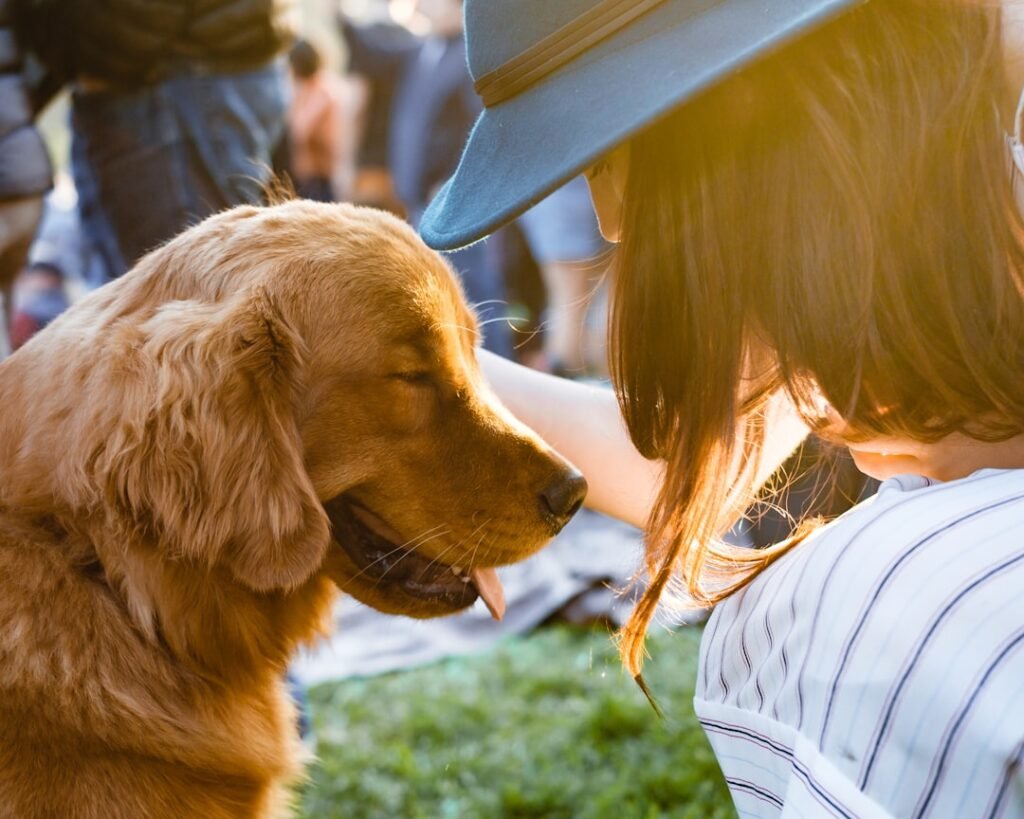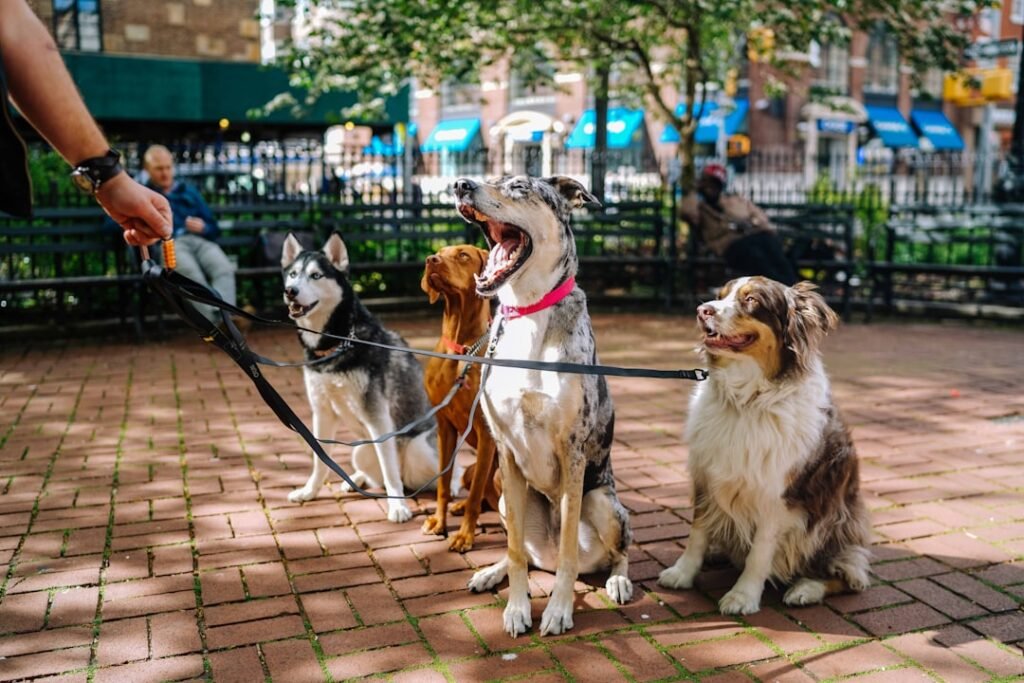
Understanding dog behavior and communication is essential for any dog owner or trainer. Dogs, as social animals, have developed a complex system of signals and cues to express their feelings and intentions. They communicate through body language, vocalizations, and even facial expressions.
For instance, a wagging tail does not always signify happiness; the position and speed of the wag can indicate excitement, anxiety, or even aggression. Observing these subtle cues can provide valuable insights into a dog’s emotional state and help owners respond appropriately. Moreover, dogs are highly attuned to human emotions and can often mirror their owners’ feelings.
This connection means that a dog’s behavior can be influenced by the owner’s mood and demeanor. For example, a calm and assertive owner is likely to have a more relaxed dog, while an anxious owner may inadvertently contribute to their dog’s stress. Understanding this dynamic is crucial for fostering a positive relationship between dogs and their humans.
By recognizing the nuances of canine communication, owners can create an environment that promotes trust and understanding.
Key Takeaways
- Understanding canine body language is essential for effective communication and training.
- Positive reinforcement encourages desired behaviors through rewards rather than punishment.
- Clear leadership and consistent boundaries help dogs feel secure and well-guided.
- Early socialization and gradual desensitization reduce fear and aggression in various environments.
- Patience and consistency are key to overcoming behavioral challenges and achieving long-term success.
Positive Reinforcement Training Methods
Positive reinforcement training methods have gained popularity among dog trainers and owners alike due to their effectiveness and humane approach. This technique involves rewarding desired behaviors with treats, praise, or playtime, thereby encouraging dogs to repeat those behaviors in the future. The principle behind positive reinforcement is simple: behaviors that are rewarded are more likely to be repeated.
This method not only helps in teaching commands but also strengthens the bond between the dog and its owner. Incorporating positive reinforcement into training sessions can be both fun and rewarding for both parties. For instance, when a dog successfully sits on command, offering a treat or enthusiastic praise reinforces that behavior.
Over time, the dog learns to associate the command with the reward, making it more likely to respond correctly in the future. Additionally, this method fosters a positive learning environment where dogs feel safe and motivated to engage with their owners. By focusing on rewarding good behavior rather than punishing undesirable actions, owners can cultivate a more harmonious relationship with their pets.
Establishing Leadership and Boundaries
Establishing leadership and boundaries is a critical aspect of dog training that ensures a well-behaved pet. Dogs thrive in environments where they understand their place within the social hierarchy. When owners take on the role of a confident leader, dogs feel secure and are more likely to follow commands.
This leadership does not imply dominance or harshness; rather, it involves guiding the dog with consistency and clarity. By setting clear expectations and boundaries, owners can help their dogs understand what behaviors are acceptable. Creating boundaries also involves teaching dogs about limits in various situations.
For example, if a dog jumps on guests as a form of greeting, it is essential to establish that this behavior is not acceptable. By consistently redirecting the dog and rewarding calm behavior instead, owners can help their pets learn appropriate ways to interact with others. This process requires patience and persistence but ultimately leads to a more balanced relationship where both the dog and owner feel respected.
Socialization and Desensitization Techniques
Socialization is a fundamental aspect of raising a well-adjusted dog. Exposing dogs to various environments, people, and other animals helps them develop confidence and reduces the likelihood of fear-based behaviors.
Desensitization techniques can also play a vital role in helping dogs overcome fears or anxieties. For instance, if a dog is fearful of loud noises, gradual exposure to those sounds at a low volume can help them acclimate over time.
Pairing these experiences with positive reinforcement—such as treats or praise—can further encourage a relaxed response. By taking small steps and being mindful of the dog’s comfort level, owners can effectively reduce anxiety and promote resilience in their pets.
Addressing Behavioral Issues and Challenges
| Training Method | Effectiveness | Average Duration | Suitable Dog Age | Common Commands Taught |
|---|---|---|---|---|
| Positive Reinforcement | High | 4-8 weeks | 8 weeks and older | Sit, Stay, Come, Heel |
| Clicker Training | High | 3-6 weeks | 8 weeks and older | Sit, Down, Fetch, Leave it |
| Traditional/Compulsion | Moderate | 6-10 weeks | 12 weeks and older | Heel, Sit, Stay, Come |
| Model-Rival Training | Moderate to High | 5-9 weeks | 8 weeks and older | Speak, Fetch, Sit, Stay |
| Electronic Training | Variable | 2-6 weeks | 6 months and older | Recall, Stop Barking, Stay |
Addressing behavioral issues in dogs requires a thoughtful approach that considers the underlying causes of the behavior. Common challenges such as excessive barking, chewing, or aggression can often be traced back to factors like boredom, anxiety, or lack of training. Identifying these root causes is essential for developing effective solutions.
For example, a dog that barks excessively may be seeking attention or expressing frustration due to insufficient exercise. Once the underlying issues are identified, owners can implement targeted strategies to address them. This may involve increasing physical activity through regular walks or playtime, providing mental stimulation through puzzle toys or training exercises, or seeking professional help for more serious behavioral problems.
It is important for owners to remain patient and consistent while working through these challenges, as behavioral modification can take time and effort.
Consistency and Patience in Training
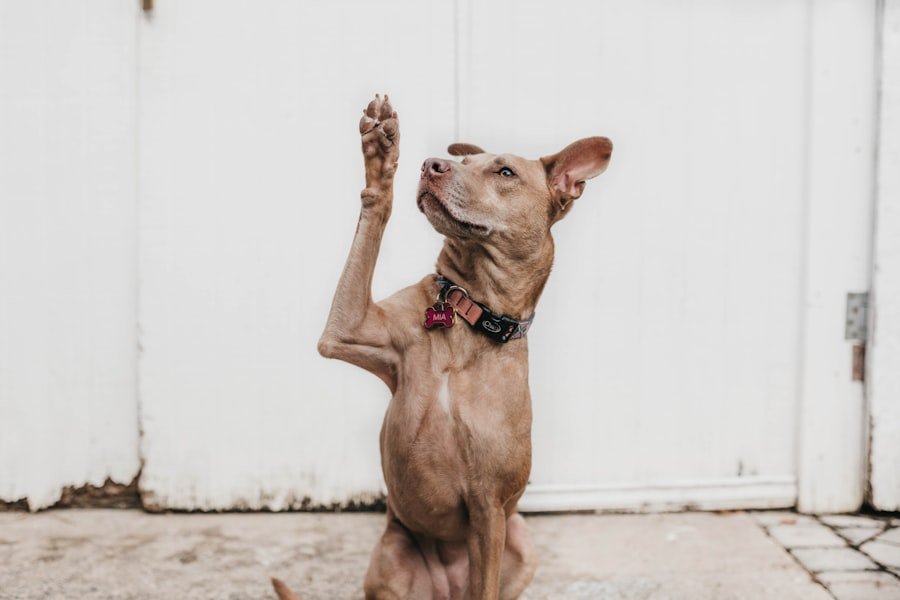
Consistency and patience are cornerstones of effective dog training. Dogs thrive on routine and clear expectations; therefore, it is crucial for owners to establish consistent commands and rules. Using the same words for commands and ensuring that all family members are on the same page helps reinforce learning.
Inconsistency can lead to confusion for the dog, making it difficult for them to understand what is expected of them. Patience is equally important during the training process. Dogs learn at their own pace, and some may take longer to grasp certain commands or behaviors than others.
Owners should celebrate small victories along the way and avoid frustration when progress seems slow. By maintaining a positive attitude and providing encouragement, owners can create an environment conducive to learning. This patience not only benefits the dog’s training but also strengthens the bond between the dog and its owner.
Advanced Training Techniques for Obedience and Agility
Once basic obedience has been established, many owners may wish to explore advanced training techniques that enhance their dog’s skills further. Advanced obedience training often includes commands such as “stay,” “come,” or “heel” under various distractions, which can significantly improve a dog’s responsiveness in real-world situations. These skills are not only practical but also serve as a foundation for more complex tasks.
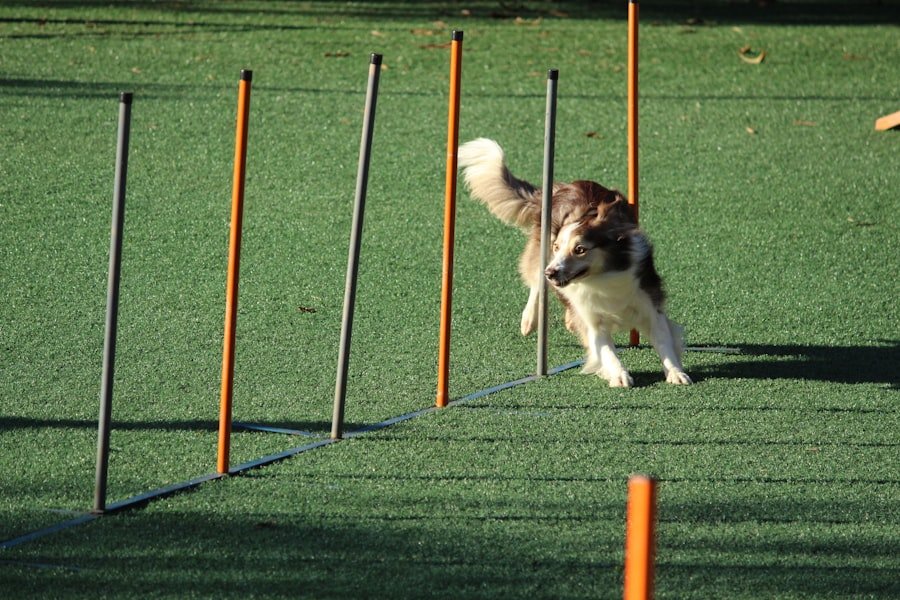
Agility training is another exciting avenue for dogs that enjoy physical activity and mental challenges. This sport involves navigating obstacle courses that test a dog’s speed, coordination, and focus. Engaging in agility training can provide an excellent outlet for energy while strengthening the bond between dog and owner through teamwork.
As dogs learn to navigate obstacles like jumps, tunnels, and weave poles, they develop confidence in their abilities while also enjoying the thrill of competition.
Building a Strong Bond with Your Dog through Training
Training is not merely about teaching commands; it is also an opportunity to build a strong bond between dog and owner. The time spent together during training sessions fosters trust and understanding, creating a deeper connection that enhances the overall relationship. When owners invest time in training their dogs using positive reinforcement methods, they demonstrate care and commitment, which strengthens the emotional bond.
Moreover, engaging in training activities allows owners to better understand their dogs’ personalities and preferences. Each dog is unique; some may thrive on physical challenges while others may prefer mental stimulation through problem-solving tasks. By tailoring training approaches to suit individual needs, owners can create enriching experiences that promote happiness and fulfillment for their pets.
Ultimately, this bond formed through training leads to a more harmonious coexistence where both dog and owner enjoy each other’s company fully. In conclusion, understanding dog behavior and communication lays the groundwork for effective training methods that foster positive relationships between dogs and their owners. By employing positive reinforcement techniques, establishing leadership roles, socializing dogs appropriately, addressing behavioral challenges with patience, exploring advanced training options, and building strong bonds through shared experiences, owners can create an enriching environment that benefits both parties involved.
The journey of training is not just about obedience; it is about nurturing a lifelong partnership filled with love, trust, and mutual respect.
For those interested in enhancing their dog training skills, you might find valuable insights in our related article on effective training techniques. You can read more about it by visiting this link.