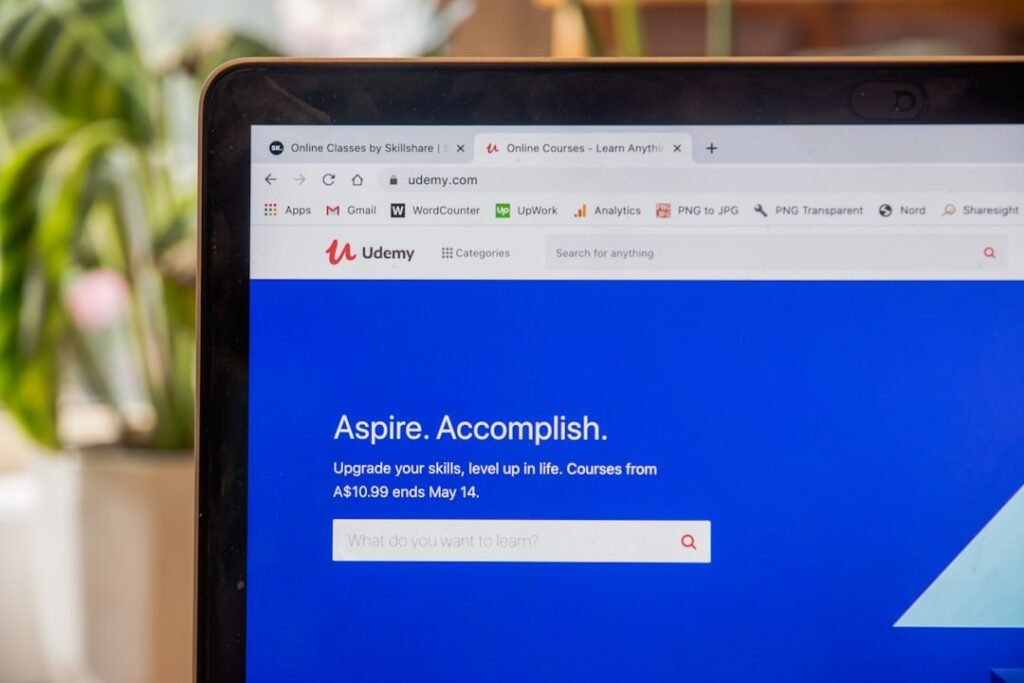
Online learning has revolutionized the educational landscape, offering a plethora of advantages that cater to diverse learning styles and lifestyles. One of the most significant benefits is the flexibility it provides. Students can access course materials and lectures at their convenience, allowing them to balance their studies with work, family commitments, or other responsibilities.
This flexibility is particularly beneficial for adult learners who may be juggling multiple obligations. The ability to learn at one’s own pace also fosters a more personalized educational experience, enabling individuals to spend more time on challenging subjects while moving quickly through areas they grasp easily. Moreover, online learning often opens doors to a wider range of courses and programs than traditional brick-and-mortar institutions.
Students can enroll in specialized courses offered by universities around the globe without the need for relocation. This accessibility not only broadens their educational horizons but also allows them to learn from esteemed instructors and industry experts who may not be available locally. Additionally, online platforms frequently incorporate innovative technologies and multimedia resources, enhancing the learning experience and making it more engaging.
As a result, students can develop a deeper understanding of complex topics through interactive content and collaborative projects.
Key Takeaways
- Online learning offers flexibility, accessibility, and a wide range of course options.
- Selecting courses aligned with your goals and learning style is crucial for success.
- Staying organized, managing time well, and actively participating enhance online learning outcomes.
- Maintaining motivation and focus requires setting goals, minimizing distractions, and seeking support.
- Online education is evolving with innovative platforms, expanding resources, and increased networking opportunities.
Choosing the Right Online Course for You
Selecting the right online course can be a daunting task, given the vast array of options available. To make an informed decision, individuals should first assess their personal goals and interests. Understanding what they hope to achieve—whether it’s acquiring new skills for career advancement, exploring a passion, or fulfilling educational requirements—can significantly narrow down the choices.
Another crucial factor to consider is the credibility of the institution offering the course. Researching the reputation of the provider, reading reviews from past students, and checking for accreditation can help ensure that the course will deliver quality education.
Additionally, prospective learners should evaluate the course content and format. They should look for syllabi that align with their interests and career aspirations, as well as formats that suit their learning preferences—be it video lectures, interactive quizzes, or discussion forums. By taking these steps, individuals can choose an online course that not only meets their educational needs but also enhances their overall learning experience.
Tips for Success in Online Learning

Success in online learning requires a proactive approach and effective strategies tailored to the unique challenges of virtual education. One of the most important tips is to establish a dedicated study space that is free from distractions. Creating an environment conducive to learning can significantly enhance focus and productivity.
This space should be equipped with all necessary materials and technology, ensuring that students have everything they need at their fingertips. Additionally, setting a consistent schedule can help maintain a routine that mimics traditional classroom settings, making it easier to stay on track with assignments and deadlines. Time management is another critical component of success in online learning.
Students should prioritize tasks by creating to-do lists or utilizing digital planners to keep track of assignments and due dates. Breaking larger projects into smaller, manageable tasks can prevent feelings of overwhelm and promote steady progress. Furthermore, engaging actively with course materials—such as participating in discussion forums or collaborating with peers—can enhance understanding and retention of information.
By adopting these strategies, learners can navigate the online education landscape more effectively and achieve their academic goals.
How to Stay Motivated and Focused
Maintaining motivation in an online learning environment can be challenging due to the absence of physical classrooms and face-to-face interactions. To combat this, students should set clear, achievable goals that provide direction and purpose throughout their studies. These goals can range from completing a specific number of modules each week to mastering particular skills by the end of the course.
Celebrating small victories along the way can also boost morale and reinforce a sense of accomplishment. In addition to goal-setting, incorporating regular breaks into study sessions can help sustain focus and prevent burnout. Techniques such as the Pomodoro Technique—where students work for 25 minutes followed by a 5-minute break—can enhance concentration while allowing for necessary downtime.
Furthermore, connecting with fellow students through online forums or study groups can foster a sense of community and accountability. Sharing experiences and challenges with peers not only provides motivation but also enriches the learning experience through collaborative discussions.
The Future of Online Education
| Metric | Value | Description |
|---|---|---|
| Number of Courses | 120,000+ | Total online courses available across major platforms |
| Average Course Length | 4-6 weeks | Typical duration of an online course |
| Completion Rate | 15-20% | Percentage of students who complete courses |
| Average Enrollment per Course | 5,000+ | Number of students enrolled on average |
| Popular Subject Areas | Technology, Business, Health, Arts | Most enrolled course categories |
| Certification Rate | 60% | Percentage of students who earn a certificate |
| Mobile Access | 75% | Percentage of users accessing courses via mobile devices |
The future of online education appears bright as technological advancements continue to shape how knowledge is delivered and consumed. With the rise of artificial intelligence and machine learning, personalized learning experiences are becoming increasingly feasible. These technologies can analyze individual learning patterns and adapt course materials accordingly, ensuring that students receive tailored support that meets their unique needs.
As a result, learners may find themselves more engaged and better equipped to grasp complex concepts. Moreover, the integration of virtual reality (VR) and augmented reality (AR) into online courses holds immense potential for immersive learning experiences. These technologies can simulate real-world scenarios, allowing students to practice skills in a safe environment before applying them in real life.
As educational institutions embrace these innovations, online learning will likely become even more interactive and dynamic, attracting a broader audience eager to explore new ways of acquiring knowledge.
Exploring Different Online Learning Platforms

The variety of online learning platforms available today caters to diverse educational needs and preferences. Some platforms focus on specific subjects or industries, while others offer a wide range of courses across multiple disciplines. For instance, platforms like Coursera and edX partner with renowned universities to provide high-quality courses that often include certification options upon completion.
These platforms are ideal for learners seeking formal recognition for their efforts. On the other hand, platforms like Udemy and Skillshare emphasize practical skills and creative pursuits, offering courses taught by industry professionals. These platforms often feature user-generated content, allowing learners to explore niche topics that may not be covered in traditional academic settings.
Additionally, some platforms provide opportunities for live instruction through webinars or interactive sessions, fostering real-time engagement between instructors and students. By exploring various platforms, individuals can find the one that best aligns with their learning objectives and preferences.
Making the Most of Online Course Resources
To maximize the benefits of online courses, students should take full advantage of the resources provided by their chosen platform. Most online courses come equipped with a wealth of materials such as lecture notes, reading lists, quizzes, and discussion boards designed to enhance understanding and engagement. Actively utilizing these resources can lead to a more enriching educational experience.
For example, engaging in discussion forums allows students to clarify doubts, share insights, and learn from diverse perspectives. Additionally, many platforms offer supplementary resources such as webinars, podcasts, or articles related to course content. Students should explore these materials to deepen their understanding of key concepts and stay updated on industry trends.
Furthermore, reaching out to instructors for clarification or additional guidance can provide valuable insights that enhance comprehension. By proactively engaging with available resources, learners can create a comprehensive learning experience that extends beyond standard coursework.
Networking and Building Connections through Online Courses
One often-overlooked aspect of online learning is the opportunity it presents for networking and building professional connections. While physical classrooms facilitate face-to-face interactions, online courses offer unique avenues for connecting with peers from diverse backgrounds across the globe. Engaging in discussion forums or group projects allows students to collaborate with others who share similar interests or career aspirations, fostering relationships that may extend beyond the course itself.
Moreover, many online courses feature guest lectures or industry expert sessions that provide valuable insights into specific fields.
Additionally, participating in alumni networks or social media groups related to specific courses can further enhance networking opportunities.
By actively seeking connections within the online learning community, individuals can build a robust professional network that supports their career development long after completing their courses. In conclusion, online learning offers numerous benefits that cater to various educational needs while presenting unique challenges that require proactive strategies for success. By understanding these dynamics—ranging from selecting the right course to staying motivated—students can navigate this evolving landscape effectively.
As technology continues to advance and reshape education, embracing online learning will undoubtedly play a crucial role in shaping future generations’ knowledge acquisition and professional development.
If you’re interested in exploring the benefits of online courses, you might find our article on the topic particularly insightful. It discusses various platforms, learning strategies, and tips for maximizing your online education experience. You can read more about it in our Hello World article.