When embarking on a camping adventure, having the right gear is crucial for ensuring a comfortable and enjoyable experience. Essential camping gear typically includes a tent, sleeping bag, and sleeping pad. The tent serves as the primary shelter, protecting campers from the elements while providing a cozy space to rest.
It is important to choose a tent that is appropriate for the number of occupants and the expected weather conditions. A three-season tent is often ideal for most camping trips, as it can withstand rain and wind while providing adequate ventilation. In addition to the tent, a quality sleeping bag is vital for a good night’s sleep under the stars.
Sleeping bags come in various shapes, sizes, and temperature ratings, so selecting one that matches the climate and personal comfort preferences is essential. A sleeping pad adds an extra layer of insulation and cushioning, making it easier to sleep on uneven ground. Other essential gear includes a reliable backpack, cooking equipment, and appropriate clothing.
A sturdy backpack allows campers to carry their gear comfortably, while cooking equipment such as portable stoves, pots, and utensils enables them to prepare meals in the great outdoors.
Key Takeaways
- Bring essential gear like a reliable tent, sleeping bag, and appropriate clothing for comfort and safety.
- Select a campsite based on terrain, water access, and environmental impact to ensure a pleasant experience.
- Set up camp efficiently by pitching tents on flat ground and organizing your area to stay clean and safe.
- Practice campfire safety, cook food properly, and store food securely to prevent wildlife encounters.
- Follow Leave No Trace principles and be prepared for emergencies with a first aid kit and knowledge of basic safety measures.
Choosing the Right Campsite
Selecting the right campsite can significantly enhance the camping experience. Campers should consider factors such as proximity to water sources, terrain, and accessibility when choosing a location. A site near a lake or river can provide opportunities for fishing or swimming, while also offering a natural source of water for cooking and cleaning.
However, it is important to ensure that the water source is safe for consumption or to bring along water purification methods. The terrain of the campsite is another critical consideration. Campers should look for flat ground that is free of rocks and debris to set up their tent comfortably.
Additionally, it is wise to avoid low-lying areas that may collect water during rainstorms or areas with overhanging branches that could pose a risk during windy conditions. Accessibility is also key; campers should choose a site that is easy to reach but not too close to heavily trafficked trails or roads, allowing for a peaceful experience in nature.
Setting Up Camp
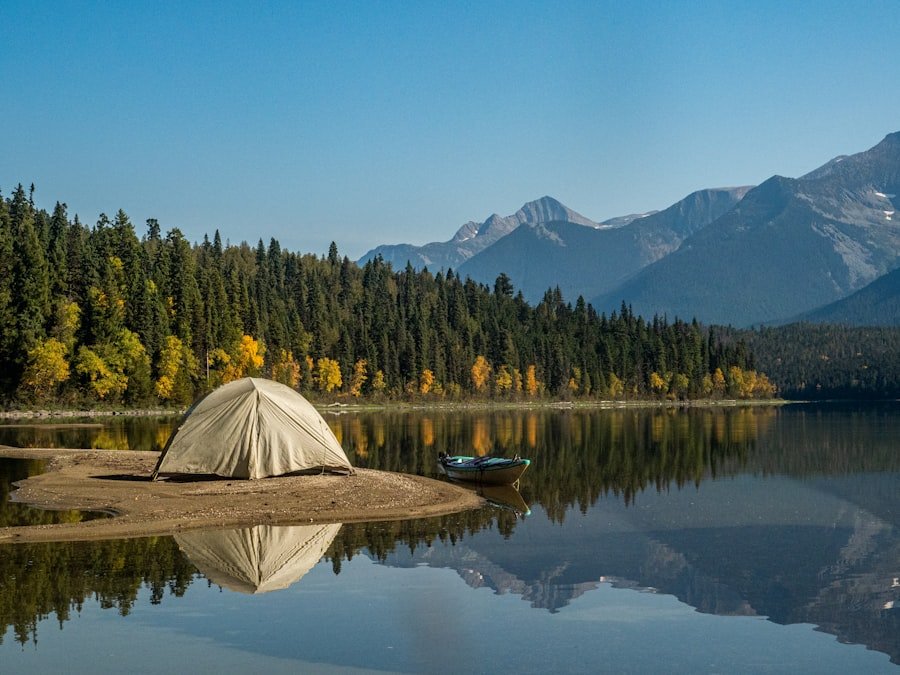
Once the campsite has been chosen, setting up camp efficiently is the next step in the process. Campers should begin by unpacking their gear and organizing it in a way that makes sense for their needs. Setting up the tent should be the first priority, as it provides shelter and a designated space for personal belongings.
It is advisable to follow the manufacturer’s instructions carefully to ensure that the tent is erected correctly and securely. After the tent is set up, campers can arrange their cooking area and other amenities. Establishing a cooking zone away from the sleeping area helps prevent attracting wildlife and keeps cooking smells from permeating the tent.
Campers should also create a designated area for storing food and gear to keep everything organized and easily accessible. By taking the time to set up camp thoughtfully, campers can create a comfortable and functional living space in the wilderness.
Campfire Safety and Cooking Tips
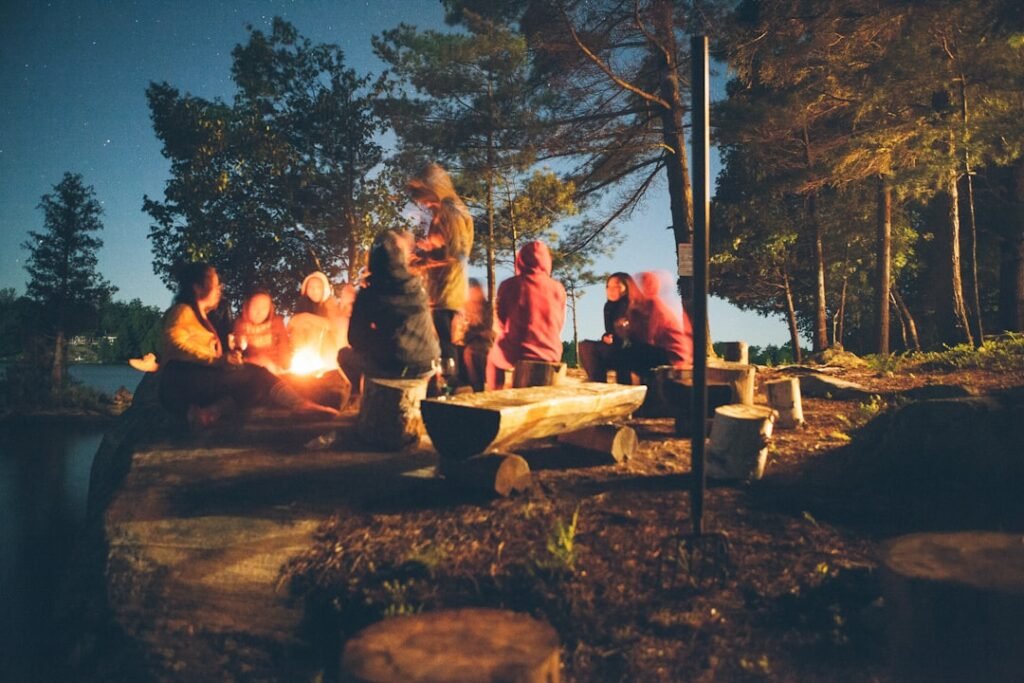
A campfire can be one of the most enjoyable aspects of camping, providing warmth, light, and a place to cook meals. However, safety must always be a priority when dealing with fire in the outdoors. Campers should first check local regulations regarding campfires, as some areas may have restrictions due to fire hazards.
When building a fire, it is essential to choose a safe location away from tents and flammable materials, ideally in an established fire ring. When cooking over an open flame, campers should use proper cookware designed for outdoor use. Cast iron pots and pans are excellent choices due to their durability and heat retention properties.
It is also important to keep cooking utensils clean and organized to prevent accidents or contamination of food. Campers should never leave a fire unattended and should always have water or dirt nearby to extinguish it quickly if necessary. Once finished with the fire, ensuring it is completely out before leaving the site is crucial for preventing wildfires.
Wildlife Safety and Awareness
| Metric | Value | Unit | Description |
|---|---|---|---|
| Average Trip Length | 3.5 | days | Typical duration of a camping trip |
| Popular Campsite Types | Forest, Lake, Mountain | n/a | Most frequented natural settings for camping |
| Average Temperature | 15 | °C | Average temperature during camping season |
| Top Camping Activities | Hiking, Fishing, Campfire | n/a | Most common activities enjoyed while camping |
| Number of Campers Annually | 40,000,000 | people | Estimated number of campers per year in the US |
| Average Gear Weight | 12 | kg | Typical weight of camping equipment carried |
| Most Used Tent Size | 4 | persons | Common tent capacity for camping groups |
Camping in nature often means encountering wildlife, which can be both exciting and potentially dangerous. Campers should educate themselves about the local fauna before heading out on their trip. Understanding which animals are common in the area can help campers take necessary precautions to avoid unwanted encounters.
For instance, knowing how to store food properly can deter bears and other wildlife from raiding campsites. Awareness of wildlife behavior is also essential for safety. Campers should remain calm if they encounter an animal and avoid sudden movements that could startle it.
Making noise while hiking can help alert animals to human presence, reducing the likelihood of surprise encounters. Additionally, carrying bear spray in bear country can provide an extra layer of protection if an encounter occurs. By being informed and prepared, campers can enjoy their time in nature while minimizing risks associated with wildlife.
Packing and Storing Food
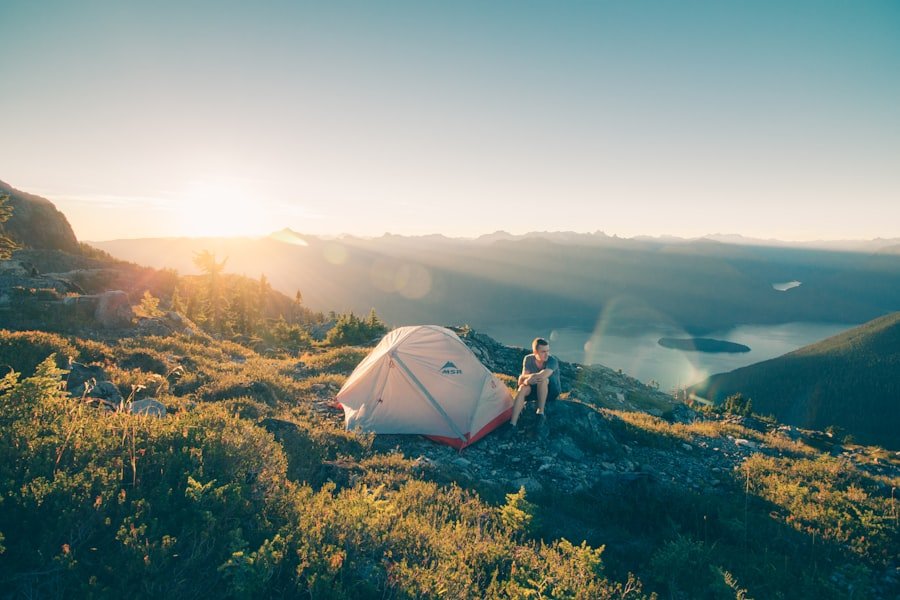
Proper food packing and storage are vital components of any camping trip. Campers should plan meals ahead of time and pack only what is necessary to minimize weight and waste. Non-perishable items such as dried fruits, nuts, and canned goods are excellent choices for camping trips since they require no refrigeration and have a long shelf life.
Fresh produce can also be included but should be consumed early in the trip to prevent spoilage. Once at the campsite, food storage becomes paramount in preventing wildlife encounters. Campers should use bear-proof containers or hang food from trees at least 10 feet off the ground and 4 feet away from tree trunks if camping in bear country.
Keeping food stored away from sleeping areas not only protects it from animals but also helps maintain a clean campsite. By following these guidelines for packing and storing food, campers can enjoy their meals without worrying about attracting unwanted guests.
Leave No Trace Principles
The Leave No Trace principles are essential guidelines for minimizing human impact on natural environments while camping. These principles encourage campers to respect nature by leaving their campsite as they found it or even better. One of the core tenets is to pack out all trash and leftover food, ensuring that no waste remains behind after departure.
This practice helps preserve the beauty of natural spaces for future visitors.
Campers are also encouraged to minimize campfire impact by using established fire rings or portable stoves instead of creating new fire sites. By adhering to Leave No Trace principles, campers contribute to the preservation of natural landscapes while enjoying their outdoor experiences responsibly.
Emergency Preparedness and First Aid
No camping trip is complete without adequate emergency preparedness and first aid knowledge. Campers should pack a well-stocked first aid kit that includes essentials such as bandages, antiseptic wipes, pain relievers, insect repellent, and any personal medications needed during the trip. Familiarity with basic first aid techniques can be invaluable in case of injuries or emergencies while in remote areas.
In addition to first aid supplies, having an emergency plan in place is crucial for ensuring safety during camping trips. Campers should inform someone about their itinerary before heading out into the wilderness and establish meeting points in case anyone gets separated from the group. Carrying a map, compass, or GPS device can help navigate unfamiliar terrain effectively.
By being prepared for emergencies and knowing how to respond appropriately, campers can enhance their safety while enjoying all that nature has to offer. In conclusion, camping offers an incredible opportunity to connect with nature while enjoying outdoor adventures with friends or family. By equipping oneself with essential gear, choosing suitable campsites, setting up camp thoughtfully, practicing safety measures around campfires and wildlife, properly storing food, adhering to Leave No Trace principles, and preparing for emergencies, campers can ensure a rewarding experience in the great outdoors.
With careful planning and respect for nature, every camping trip can become a cherished memory filled with exploration and discovery.
If you’re looking to enhance your camping experience, you might find some valuable insights in our article about the essentials of outdoor living. For more information, check out our Hello World article, which covers various tips and tricks to make your next camping trip more enjoyable and memorable.