Hiking offers a multitude of benefits that extend far beyond the physical realm. Engaging in this outdoor activity allows individuals to immerse themselves in nature, providing a refreshing escape from the hustle and bustle of daily life. The act of walking on varied terrains not only strengthens muscles and improves cardiovascular health but also enhances mental well-being.
Studies have shown that spending time in nature can reduce stress, anxiety, and depression, making hiking an excellent remedy for those seeking solace and rejuvenation. The rhythmic sound of footsteps on a trail, combined with the sights and sounds of the natural world, creates a meditative experience that can lead to improved focus and clarity. Moreover, hiking fosters a sense of community and connection among those who share the trails.
Whether it’s a solo trek or a group expedition, hikers often find camaraderie with fellow adventurers. This shared experience can lead to lasting friendships and a deeper appreciation for the great outdoors. Additionally, hiking can be a family-friendly activity that encourages bonding and teamwork.
Families can create cherished memories while exploring new landscapes together, teaching children the importance of physical activity and environmental stewardship. The benefits of hiking are not just physical; they encompass emotional, social, and psychological dimensions that contribute to a well-rounded lifestyle.
Key Takeaways
- Hiking offers physical, mental, and emotional health benefits.
- Selecting appropriate gear is essential for comfort and safety.
- Proper planning ensures a successful and enjoyable hiking trip.
- Following safety guidelines minimizes risks on the trail.
- Respecting nature and practicing Leave No Trace preserves the environment.
Choosing the Right Hiking Gear
Selecting appropriate hiking gear is crucial for ensuring a safe and enjoyable experience on the trails. The first step in this process is to consider the type of hike one plans to undertake.
Essential items include sturdy footwear, which provides support and traction, as well as moisture-wicking clothing that helps regulate body temperature. Investing in high-quality gear can make a significant difference in comfort levels during a hike, allowing individuals to focus on the beauty around them rather than discomfort. In addition to footwear and clothing, other gear considerations include hydration systems, navigation tools, and safety equipment.
A reliable water bottle or hydration pack is essential for staying hydrated, especially on warm days or challenging trails. Maps, compasses, or GPS devices can help hikers stay oriented and avoid getting lost in unfamiliar areas. Furthermore, carrying a first aid kit, a multi-tool, and emergency supplies can provide peace of mind while exploring remote locations.
Ultimately, choosing the right hiking gear involves understanding personal needs and preferences while prioritizing safety and comfort.
Planning Your Hiking Adventure
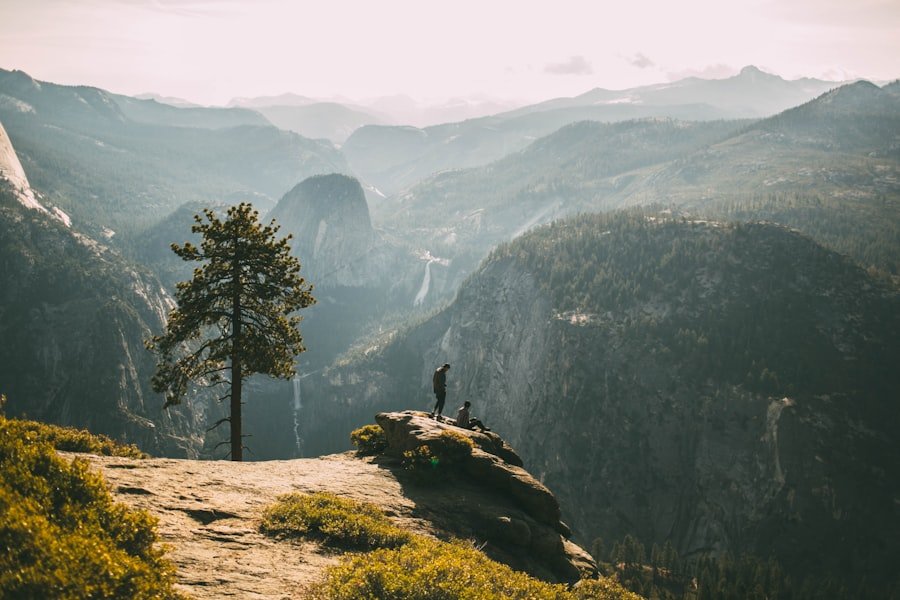
Effective planning is key to a successful hiking adventure. Before setting out on a trek, individuals should research potential trails to determine their difficulty level, length, and any specific regulations or requirements. Online resources, guidebooks, and local hiking clubs can provide valuable insights into various routes and conditions.
It is also important to consider the time of year and weather forecasts when planning a hike, as these factors can significantly impact trail conditions and overall safety. Creating an itinerary that includes estimated start and end times can help hikers manage their time effectively. Additionally, informing someone about the planned route and expected return time is a wise safety measure.
This way, if anything goes awry during the hike, someone will be aware of the situation and can take appropriate action if necessary. Packing essential items such as snacks, extra layers of clothing, and navigation tools will further enhance the hiking experience by ensuring that hikers are prepared for any challenges they may encounter along the way.
Safety Tips for Hiking
Safety should always be a top priority when embarking on a hiking adventure. One of the most important tips is to stay aware of one’s surroundings at all times. This includes being mindful of trail markers, potential hazards such as loose rocks or slippery surfaces, and changes in weather conditions.
Another critical aspect of hiking safety is knowing one’s limits. It is essential for hikers to choose trails that match their skill level and physical condition.
Overexertion can lead to fatigue or injury, which can quickly turn an enjoyable outing into a dangerous situation. Carrying a fully charged mobile phone for emergencies is advisable, but hikers should not rely solely on technology for navigation or communication. Instead, they should develop basic map-reading skills and familiarize themselves with the area before heading out.
By prioritizing safety measures and being prepared for unexpected challenges, hikers can enjoy their adventures with greater peace of mind.
Exploring Different Types of Hiking Trails
| Metric | Value | Unit | Description |
|---|---|---|---|
| Average Hiking Speed | 3 | miles per hour | Typical walking speed on moderate terrain |
| Average Calories Burned | 430 | calories per hour | Calories burned by a 155 lb person hiking |
| Elevation Gain | 1000 | feet per mile | Average elevation gain on a steep trail |
| Recommended Water Intake | 0.5 | liters per hour | Amount of water to drink while hiking |
| Average Trail Length | 5 | miles | Typical length of a day hike trail |
| Average Hiking Duration | 3 | hours | Typical duration of a day hike |
The world of hiking offers an array of trail types that cater to diverse interests and skill levels. From leisurely strolls through scenic parks to challenging ascents up rugged mountains, there is something for everyone. Nature enthusiasts may find joy in botanical trails that showcase local flora and fauna, while adventure seekers might prefer steep inclines that test their endurance and strength.
Each type of trail presents unique opportunities for exploration and discovery. In addition to varying difficulty levels, hiking trails can also differ in their environments. Coastal hikes offer breathtaking views of the ocean and opportunities to observe marine life, while forest trails provide shade and tranquility among towering trees.
Desert hikes present a stark beauty with their arid landscapes and unique geological formations. By exploring different types of trails, hikers can experience the diverse ecosystems that exist within their regions and gain a deeper appreciation for the natural world.
Connecting with Nature on Your Hike

Hiking serves as an excellent opportunity for individuals to connect with nature on a profound level. As hikers traverse trails surrounded by lush greenery or striking mountain vistas, they often find themselves immersed in the sights, sounds, and scents of the environment. This sensory engagement fosters mindfulness and encourages individuals to appreciate the beauty that often goes unnoticed in everyday life.
The rustling of leaves in the wind or the distant call of birds can evoke feelings of peace and wonder. Moreover, spending time in nature has been shown to enhance creativity and problem-solving skills. Many hikers report experiencing moments of clarity or inspiration while on the trail, as the natural surroundings provide a backdrop for reflection and contemplation.
This connection with nature not only enriches personal experiences but also cultivates a sense of responsibility toward environmental conservation. As individuals develop a deeper appreciation for the outdoors, they are more likely to advocate for its protection and preservation for future generations.
Hiking Etiquette and Leave No Trace Principles
Understanding hiking etiquette is essential for maintaining harmony on the trails and ensuring that everyone has an enjoyable experience. One fundamental principle is yielding the right of way; hikers traveling uphill typically have priority over those descending. Additionally, it is courteous to greet fellow hikers with a smile or nod as they pass by, fostering a sense of community among outdoor enthusiasts.
The Leave No Trace principles are vital for preserving natural spaces for future generations. These guidelines encourage hikers to minimize their impact on the environment by staying on designated trails, packing out all trash, and respecting wildlife habitats. Campers should also avoid making fires unless permitted and should use established campsites whenever possible.
By adhering to these principles, hikers contribute to the sustainability of natural areas while ensuring that others can enjoy them as well.
The Joy of Hiking: Personal Stories and Experiences
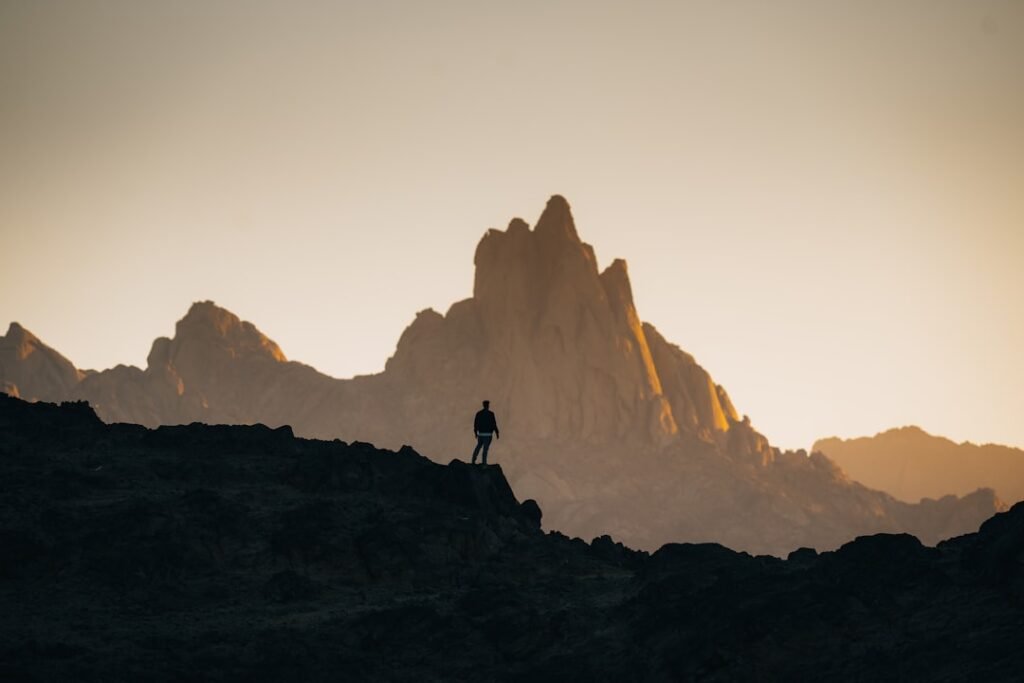
The joy of hiking is often best expressed through personal stories and experiences shared by those who have ventured into nature’s embrace. For many individuals, hiking serves as a transformative journey that leads to self-discovery and personal growth. One hiker might recount how conquering a challenging summit instilled a sense of accomplishment that transcended physical boundaries; another may share how a peaceful walk through a forest provided solace during difficult times.
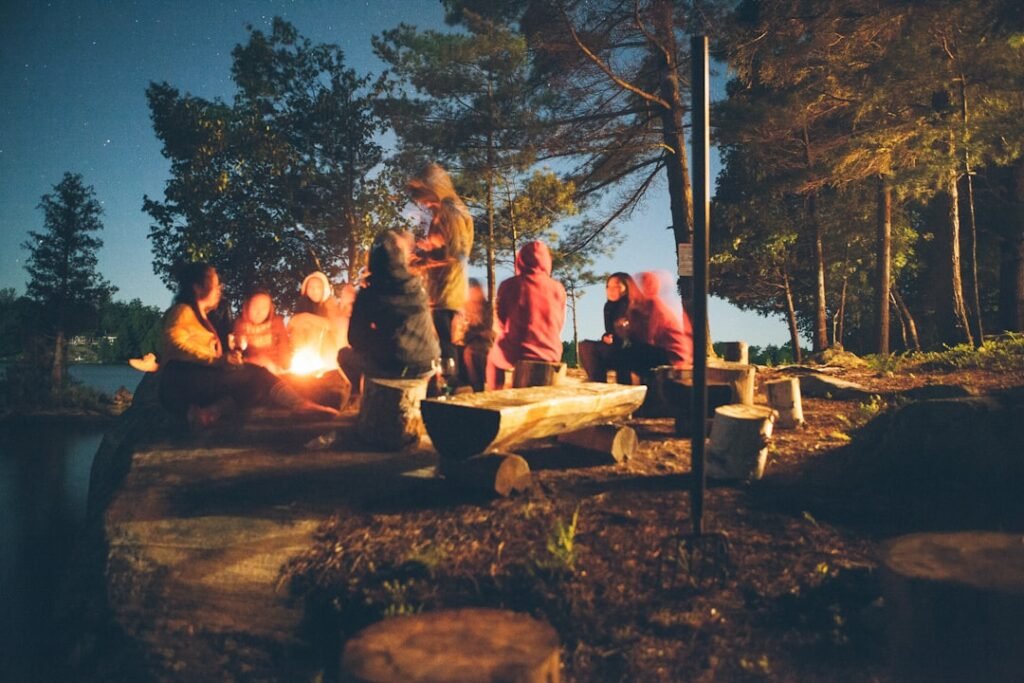
These narratives highlight the profound impact that hiking can have on individuals’ lives. Whether it’s witnessing a breathtaking sunrise from a mountaintop or sharing laughter around a campfire with friends after a long day on the trail, these moments create lasting memories that resonate deeply within one’s heart. The joy of hiking lies not only in the physical activity itself but also in the connections forged with nature and fellow adventurers along the way.
Each hike becomes a chapter in an ongoing story of exploration, growth, and appreciation for the world around us.
If you’re looking to enhance your hiking experience, you might find our article on the importance of preparation and gear selection particularly useful. It offers valuable insights into what to pack and how to plan your hikes effectively. You can read more about it in our Hello World article. Happy hiking!