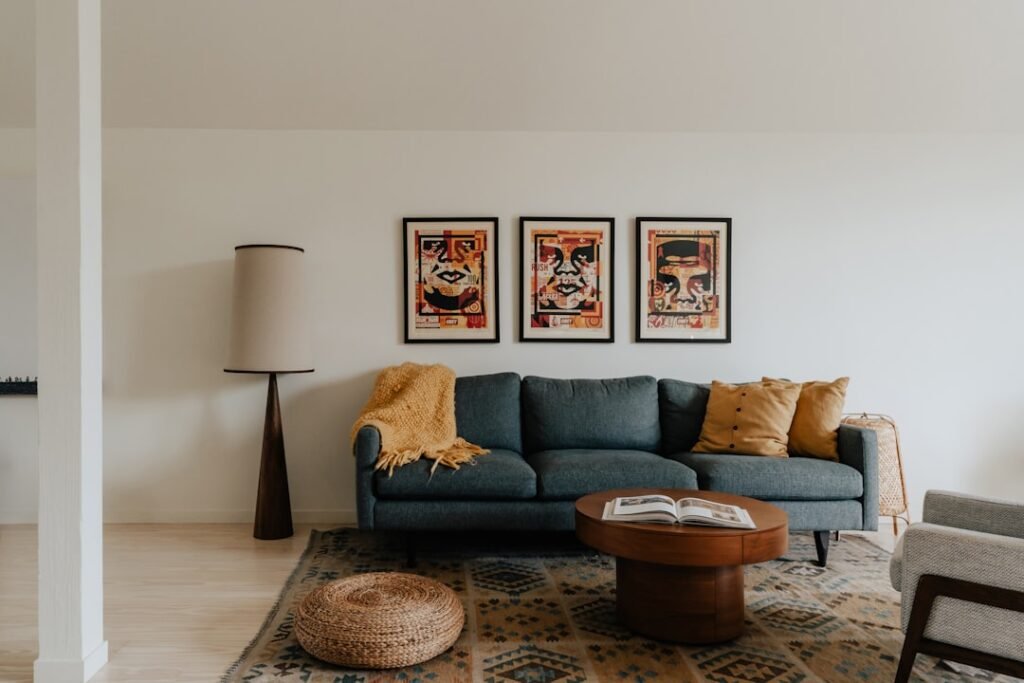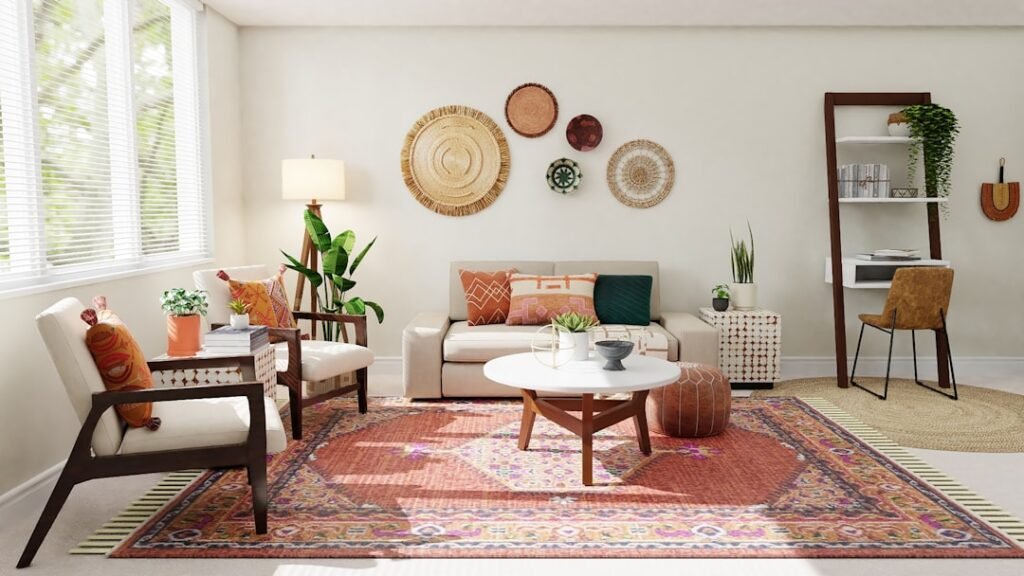
Selecting the right color scheme is a fundamental step in the design process, as it sets the tone for the entire space. A well-chosen palette can evoke emotions, create a sense of harmony, and even influence the perceived size of a room. For instance, lighter shades such as soft whites, pale blues, and gentle pastels can make a small area feel more expansive and airy.
Conversely, deeper hues like navy, forest green, or rich burgundy can add warmth and intimacy to larger spaces. It is essential to consider the purpose of the room when choosing colors; a calming palette may be ideal for a bedroom, while vibrant tones could energize a home office or playroom. In addition to the psychological effects of color, the interplay between different shades can create visual interest and depth.
Designers often recommend using a combination of three to five colors to establish a cohesive look. This can include a dominant color for walls, a secondary color for larger furniture pieces, and accent colors for smaller decor items.
Furthermore, incorporating textures through paint finishes or wallpaper can enhance the overall effect, adding layers to the chosen palette.
Key Takeaways
- Select a color palette that complements your space and sets the desired mood.
- Arrange furniture to optimize both space usage and functionality.
- Use lighting strategically to create ambiance and improve the room’s atmosphere.
- Incorporate textures and patterns to add visual depth and interest.
- Personalize your space with accessories while maintaining organization and decluttering.
Furniture Arrangement: Maximizing Space and Functionality
The arrangement of furniture plays a crucial role in defining how a space is utilized and experienced. Thoughtful placement can enhance flow, promote conversation, and ensure that each area serves its intended purpose. For example, in a living room, positioning seating around a central focal point—such as a fireplace or television—can create an inviting atmosphere conducive to social interaction.
Additionally, leaving ample pathways between furniture pieces allows for easy movement, making the space feel more open and accessible. Moreover, furniture arrangement should also consider the scale and proportion of each piece in relation to the room’s dimensions. Oversized furniture in a small space can feel overwhelming, while too-small pieces in a large area may seem lost.
By selecting appropriately sized items and arranging them in a way that encourages functionality, one can maximize both comfort and usability. Multi-functional furniture, such as ottomans that double as storage or coffee tables with built-in shelves, can further enhance the efficiency of a space while maintaining an aesthetically pleasing design.
Lighting: Creating Ambiance and Enhancing Mood
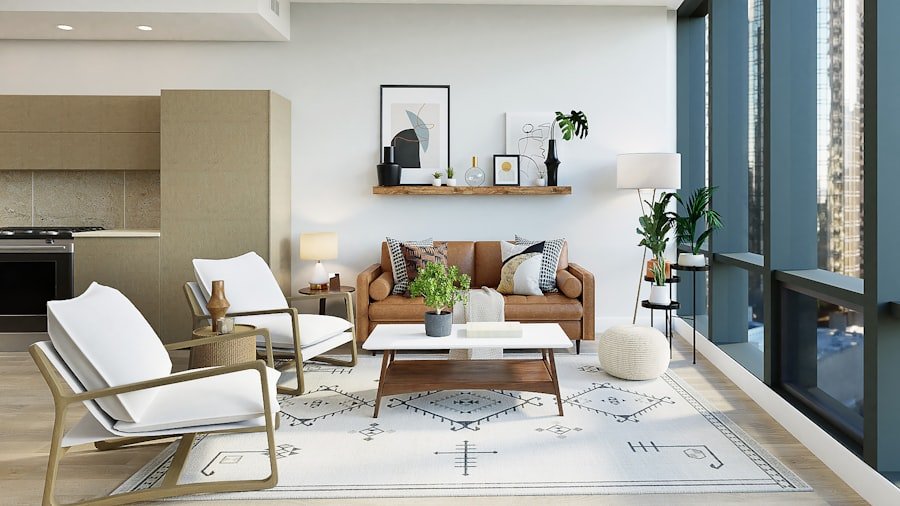
Lighting is often referred to as the unsung hero of interior design, as it has the power to transform a space dramatically. The right lighting can create ambiance, highlight architectural features, and even influence mood. A well-lit room feels more inviting and comfortable, while poor lighting can make even the most beautifully designed space feel unwelcoming.
Designers typically recommend layering different types of lighting—ambient, task, and accent—to achieve a balanced effect that caters to various needs throughout the day. Ambient lighting serves as the foundation of illumination in any room, providing general light that fills the space. This can be achieved through ceiling fixtures, chandeliers, or wall sconces.
Task lighting is essential for specific activities such as reading or cooking and can be provided by table lamps or under-cabinet lights. Accent lighting adds drama and interest by highlighting artwork or architectural details. By combining these different layers of light, one can create a dynamic environment that adapts to various occasions and enhances the overall aesthetic of the space.
Textures and Patterns: Adding Depth and Interest to Your Design
Incorporating textures and patterns into interior design is an effective way to add depth and visual intrigue to any space. Textures can be introduced through various materials such as fabrics, woods, metals, and ceramics. For instance, pairing a plush velvet sofa with sleek leather chairs creates an engaging contrast that invites touch and interaction.
Similarly, mixing smooth surfaces with rough textures—like a polished marble countertop alongside reclaimed wood shelves—can create a rich sensory experience that captivates the eye. Patterns also play a significant role in enhancing design by adding personality and character to a room. Whether through wallpaper, area rugs, or decorative pillows, patterns can serve as focal points or subtle accents that tie together different elements within the space.
Designers often recommend using patterns in moderation to avoid overwhelming the senses; one bold pattern can be balanced with solid colors or more subdued designs to maintain harmony.
Accessorizing: Incorporating Personal Style and Unique Touches
| Metric | Description | Typical Range | Unit |
|---|---|---|---|
| Room Size | Area of the room being designed | 100 – 1000 | Square Feet |
| Ceiling Height | Height from floor to ceiling | 8 – 12 | Feet |
| Lighting Level | Illumination intensity recommended for interiors | 300 – 500 | Lux |
| Furniture Density | Percentage of floor space occupied by furniture | 20% – 40% | Percent |
| Color Temperature | Warmth or coolness of lighting used | 2700 – 4000 | Kelvin |
| Wall Paint VOC Level | Volatile organic compounds in paint | Low – Medium | Qualitative |
| Acoustic Rating | Sound absorption quality of materials | 0.3 – 0.7 | Noise Reduction Coefficient (NRC) |
| Natural Light Percentage | Amount of natural light in the room | 20% – 60% | Percent |
Accessorizing is where personal style truly shines in interior design. Accessories such as artwork, decorative objects, and personal mementos allow individuals to express their unique tastes and experiences within their living spaces. A carefully curated collection of items can tell a story about the inhabitants of a home while adding warmth and character to the environment.
For example, displaying travel souvenirs alongside family photographs creates a narrative that reflects both personal history and aesthetic preferences. When accessorizing, it is essential to consider scale and proportion to ensure that items complement rather than overwhelm the space. Grouping accessories in odd numbers often creates a more visually appealing arrangement than even-numbered groupings.
Additionally, varying heights among objects can add interest and draw the eye around the room. By thoughtfully selecting accessories that resonate with their personal style, individuals can create spaces that feel authentic and inviting.
Organization: Decluttering and Streamlining Your Space
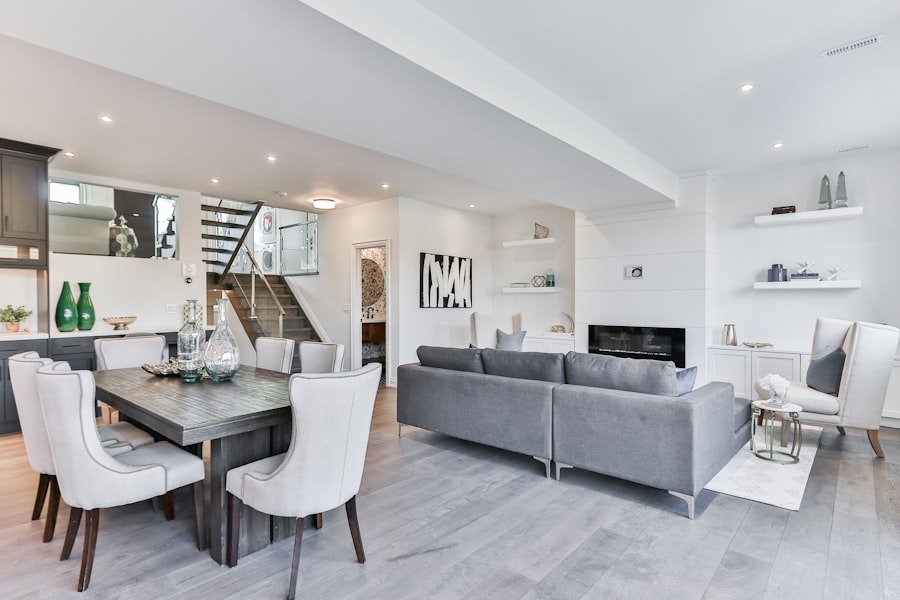
A well-organized space is not only visually appealing but also enhances functionality and promotes mental clarity. Clutter can quickly accumulate in any home, leading to feelings of stress and disarray. Therefore, implementing effective organization strategies is crucial for maintaining an inviting environment.
This may involve investing in storage solutions such as baskets, bins, or shelving units that keep items neatly tucked away while remaining easily accessible. In addition to physical organization, decluttering also involves evaluating what items are truly necessary or meaningful within the space. Regularly assessing belongings allows individuals to let go of items that no longer serve a purpose or bring joy.
This process not only frees up physical space but also creates an opportunity for individuals to curate their environments intentionally. By prioritizing organization and decluttering efforts, one can cultivate a serene atmosphere that fosters relaxation and creativity.
Flooring and Rugs: Selecting the Perfect Foundation for Your Design
Flooring serves as the foundation of any interior design scheme, influencing both aesthetics and functionality. The choice of flooring material—whether hardwood, tile, carpet, or laminate—can significantly impact the overall look and feel of a space. For instance, hardwood floors exude warmth and elegance while providing durability; on the other hand, tile offers versatility with various styles and patterns suitable for high-traffic areas like kitchens or bathrooms.
Rugs also play an essential role in defining spaces within larger areas while adding comfort underfoot. They can anchor furniture arrangements and introduce color or pattern without overwhelming the design. When selecting rugs, it is important to consider size; ideally, all major furniture pieces should sit on or at least partially overlap with the rug to create cohesion within the room.
By thoughtfully choosing flooring materials and incorporating rugs strategically, one can establish a solid foundation that enhances both style and comfort.
Window Treatments: Enhancing Natural Light and Privacy in Your Space
Window treatments are vital components of interior design that serve both functional and aesthetic purposes. They allow individuals to control natural light levels while providing privacy from outside views. The choice of window coverings—whether curtains, blinds, or shades—can dramatically influence the ambiance of a room.
For example, sheer curtains allow soft light to filter through while maintaining an airy feel; conversely, blackout shades provide complete darkness for bedrooms or media rooms. In addition to their practical benefits, window treatments also contribute significantly to the overall design aesthetic. They can introduce color, pattern, or texture into a space while framing views of the outdoors.
Designers often recommend selecting treatments that complement existing decor while considering factors such as fabric weight and pattern scale. By thoughtfully choosing window treatments that enhance both natural light control and privacy needs, individuals can create inviting spaces that feel both comfortable and stylish.
For those interested in exploring innovative approaches to interior design, the article on LeWich’s website provides valuable insights into contemporary trends and styles. You can read more about it in their Hello World article, which discusses the intersection of functionality and aesthetics in modern spaces.