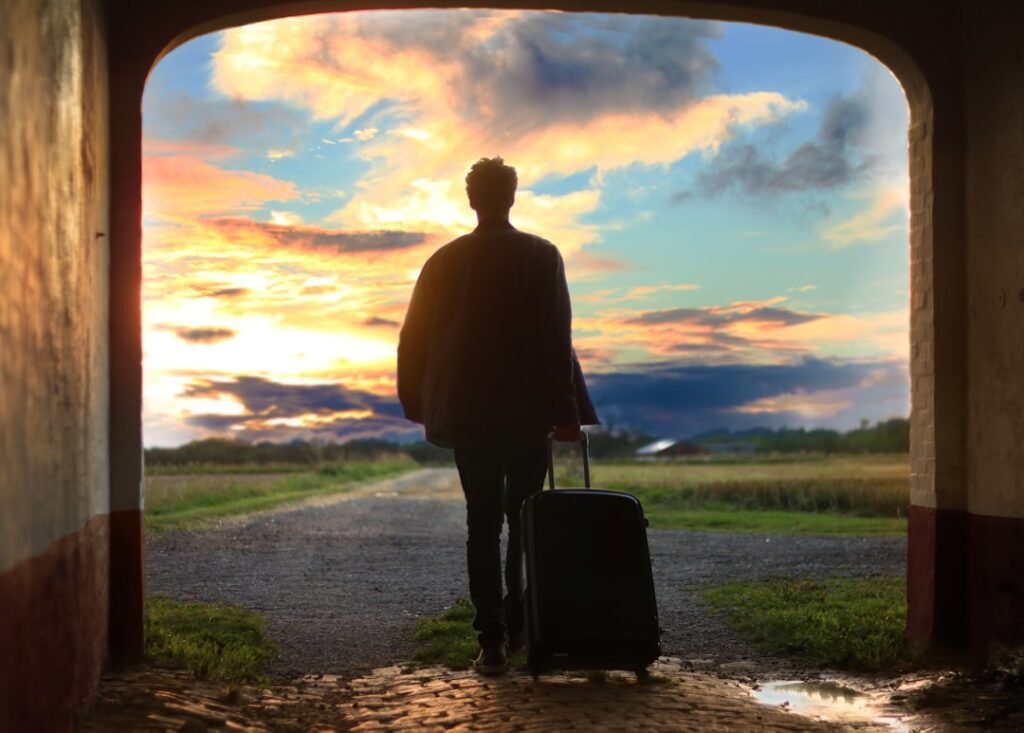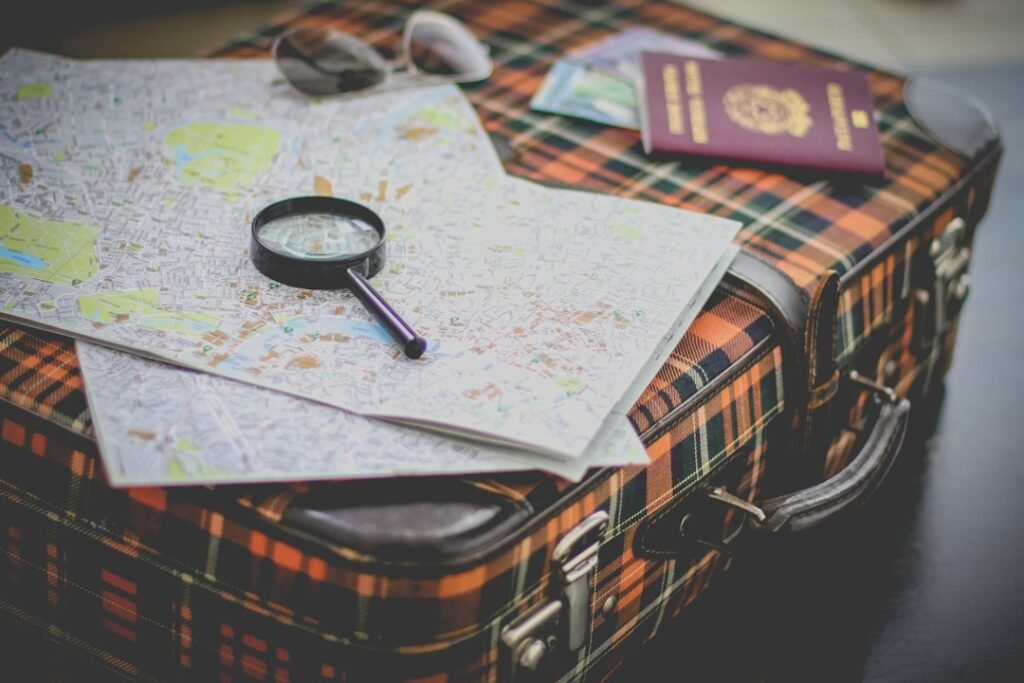
Packing can often be one of the most daunting aspects of preparing for a trip. To alleviate this stress, travelers should start by creating a comprehensive packing list tailored to their destination and activities. This list should include essentials such as clothing, toiletries, and any necessary documents.
By organizing items into categories, travelers can ensure they do not overlook anything important. For instance, separating clothing into daily outfits can help visualize what is needed for each day of the trip, reducing the likelihood of overpacking or forgetting crucial items. Another effective strategy is to utilize packing cubes or compression bags.
These tools not only help in organizing belongings but also maximize space within luggage. By rolling clothes instead of folding them, travelers can save even more room and minimize wrinkles. Additionally, it is wise to pack versatile clothing that can be mixed and matched, allowing for multiple outfits without taking up excessive space.
By following these packing tips, travelers can embark on their journeys with confidence, knowing they have everything they need without the burden of excess baggage.
Key Takeaways
- Pack strategically to minimize stress and ensure you have essentials handy.
- Prepare for airport security by organizing documents and following guidelines.
- Research and book accommodations and transport in advance for smooth travel.
- Prioritize health and safety by staying hydrated, rested, and aware of your surroundings.
- Have a plan for managing money, including backups and secure methods of payment.
How to Navigate Airport Security with Ease
Navigating airport security can often feel like a daunting task, but with a few strategic approaches, travelers can streamline the process. First and foremost, it is essential to familiarize oneself with the Transportation Security Administration (TSA) guidelines regarding what items are permissible in carry-on luggage. By understanding these regulations ahead of time, travelers can avoid unnecessary delays caused by prohibited items.
For example, ensuring that liquids are stored in containers of 3.4 ounces or less and placed in a clear, quart-sized bag can expedite the screening process. Moreover, arriving at the airport with ample time before departure is crucial. This allows travelers to account for potential lines at security checkpoints.
When approaching the security line, it is beneficial to have boarding passes and identification readily accessible. Additionally, wearing easily removable shoes and minimizing accessories can facilitate a smoother passage through metal detectors. By adopting these practices, travelers can navigate airport security with greater ease and focus on the excitement of their upcoming journey.
Tips for Booking Accommodations and Transportation
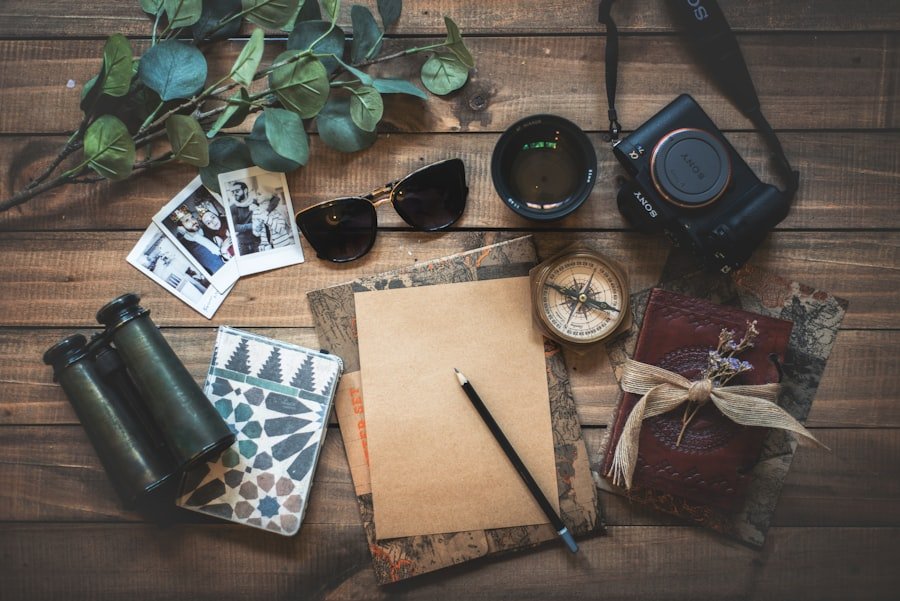
When it comes to booking accommodations and transportation, thorough research is key to ensuring a pleasant travel experience. Travelers should begin by identifying their preferences and budget constraints. Websites that aggregate reviews and ratings can provide valuable insights into various lodging options, helping travelers choose accommodations that align with their needs.
Whether opting for hotels, hostels, or vacation rentals, it is essential to consider factors such as location, amenities, and cancellation policies. In addition to accommodations, transportation options should also be carefully evaluated. Depending on the destination, travelers may find that public transportation is a cost-effective and efficient way to navigate the area.
Alternatively, renting a car may offer greater flexibility for exploring off-the-beaten-path locations. Regardless of the chosen mode of transportation, booking in advance can often yield better rates and availability. By taking the time to research and plan these aspects of travel, individuals can enhance their overall experience and minimize potential stressors during their trip.
Staying Healthy and Safe While Traveling
Maintaining health and safety while traveling is paramount for an enjoyable experience. One of the first steps travelers should take is to ensure they are up-to-date on vaccinations relevant to their destination. Researching local health advisories can also provide insights into any potential health risks associated with specific regions.
Packing a basic first-aid kit with essential medications and supplies can further prepare travelers for minor ailments or injuries that may arise during their journey. In addition to health considerations, personal safety should always be a priority. Travelers are encouraged to stay aware of their surroundings and avoid displaying valuables that may attract unwanted attention.
Utilizing hotel safes for important documents and keeping copies of passports and identification in separate locations can provide an added layer of security. By adopting these practices, travelers can focus on enjoying their adventures while minimizing health risks and safety concerns.
Managing Your Finances on the Go
| Travel Tip | Description | Benefit | Recommended Frequency |
|---|---|---|---|
| Pack Light | Bring only essential items to avoid heavy luggage. | Easier mobility and less baggage fees. | Every trip |
| Carry a Portable Charger | Keep your devices charged on the go. | Stay connected and avoid dead batteries. | Every trip |
| Learn Basic Local Phrases | Know simple greetings and questions in the local language. | Improves communication and cultural experience. | For international trips |
| Use Travel Apps | Utilize apps for navigation, translation, and bookings. | Enhances convenience and saves time. | Every trip |
| Keep Copies of Important Documents | Have digital and physical copies of passport, ID, and tickets. | Prepares for emergencies and loss. | Every trip |
| Stay Hydrated | Drink plenty of water, especially during flights. | Prevents dehydration and jet lag symptoms. | Every trip |
| Check Weather Forecast | Review weather conditions before packing and planning activities. | Ensures appropriate clothing and plans. | Before each trip |
| Inform Bank About Travel | Notify your bank to avoid card blocks abroad. | Ensures uninterrupted access to funds. | Before international trips |
Managing finances while traveling can be challenging but is essential for a smooth experience. One effective strategy is to create a budget before embarking on the trip. This budget should account for accommodations, meals, activities, and transportation costs.
By setting limits on daily spending, travelers can avoid overspending and ensure they have enough funds for the duration of their journey.
Mobile banking apps allow travelers to monitor their accounts in real-time, making it easier to track expenses and avoid unexpected overdrafts.
Carrying a mix of payment methods—such as cash, credit cards, and travel money cards—can provide flexibility while ensuring access to funds in various situations. By implementing these financial strategies, travelers can enjoy their trips without the stress of financial uncertainty.
Maximizing Your Time and Enjoyment at Your Destination
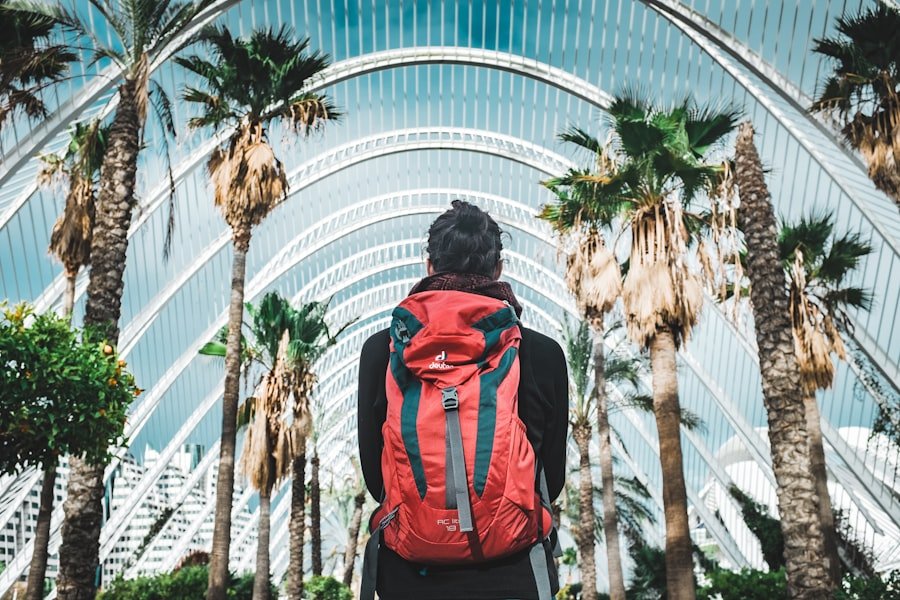
To truly make the most of a travel experience, maximizing time at the destination is crucial. One effective approach is to prioritize must-see attractions and activities before arrival. Creating an itinerary that balances sightseeing with downtime allows travelers to explore at a comfortable pace without feeling rushed.
Additionally, considering off-peak times for popular attractions can enhance the experience by reducing wait times and crowds. Engaging with locals can also enrich the travel experience significantly. Whether through guided tours or casual conversations at local cafes, gaining insights from residents can lead to discovering hidden gems that may not be found in guidebooks.
Furthermore, allowing for spontaneity in plans can lead to unexpected adventures that create lasting memories. By focusing on both planning and flexibility, travelers can ensure they make the most of their time at their destination while enjoying every moment.
Tips for Communicating in Foreign Countries
Effective communication is vital when traveling in foreign countries where language barriers may exist. One practical tip is to learn a few basic phrases in the local language before departure. Simple greetings, polite expressions like “please” and “thank you,” and essential questions can go a long way in fostering goodwill with locals.
Many people appreciate when visitors make an effort to speak their language, even if it’s just a few words. In addition to learning key phrases, utilizing translation apps can be incredibly helpful in navigating conversations or reading signs and menus. These tools allow travelers to communicate more effectively and enhance their overall experience by reducing misunderstandings.
Carrying a pocket-sized phrasebook can also serve as a handy reference when technology fails or when internet access is limited. By employing these communication strategies, travelers can connect more meaningfully with locals and enrich their cultural experiences.
Dealing with Unexpected Situations While Traveling
Despite careful planning, unexpected situations can arise during travel that may disrupt plans or cause stress. The key to managing these challenges lies in maintaining a flexible mindset and being prepared for contingencies. For instance, flight delays or cancellations are common occurrences; having a backup plan—such as alternative flights or accommodations—can alleviate frustration when things do not go as expected.
Additionally, staying calm in the face of unexpected challenges is crucial for problem-solving effectively. Whether dealing with lost luggage or navigating transportation strikes, approaching situations with patience allows travelers to think clearly and find solutions more easily. Keeping important contact information readily available—such as local emergency numbers or embassy contacts—can also provide reassurance during difficult times.
By adopting a proactive approach to potential challenges, travelers can navigate unexpected situations with resilience and grace, ensuring that their journeys remain enjoyable despite any hiccups along the way.
If you’re looking for some valuable travel tips to enhance your next adventure, be sure to check out this insightful article on travel essentials. It provides practical advice on packing, budgeting, and navigating new destinations. You can read more about it in the article here.