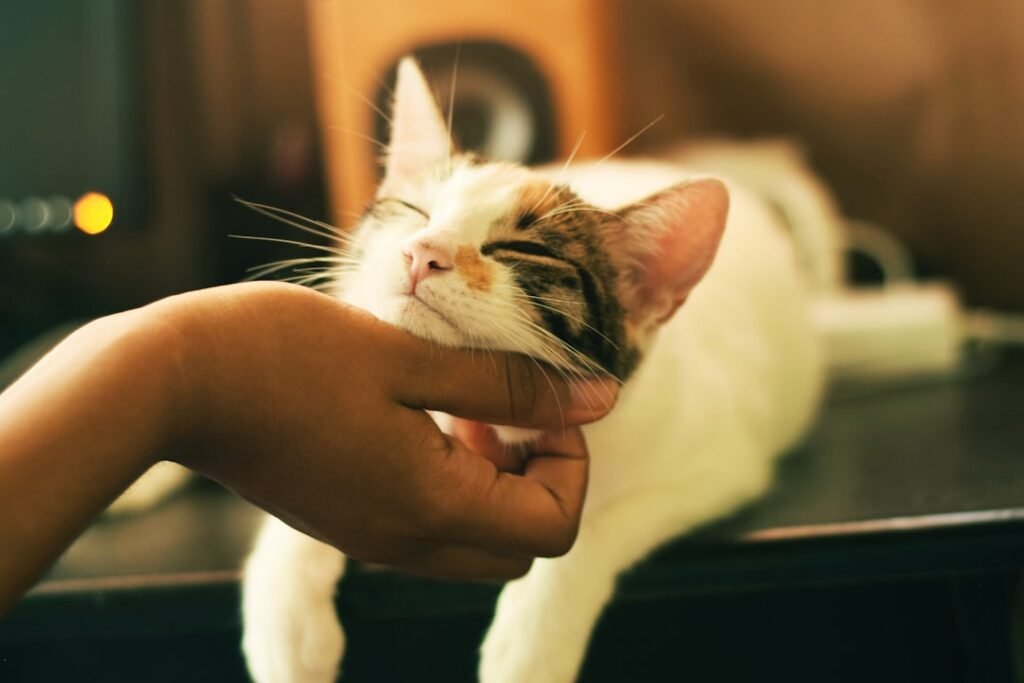
In today’s fast-paced world, the concept of self-care has gained significant attention, and for good reason. Self-care is not merely a trend; it is a fundamental aspect of maintaining overall well-being. It encompasses a range of activities and practices that individuals engage in to nurture their physical, emotional, and mental health.
By prioritizing self-care, individuals can enhance their resilience against stress, improve their mood, and foster a greater sense of fulfillment in their lives. The importance of self-care lies in its ability to empower individuals to take charge of their health and happiness, ultimately leading to a more balanced and satisfying life. Moreover, self-care is essential for preventing burnout, particularly in high-pressure environments such as workplaces or caregiving roles.
When individuals neglect their own needs, they may find themselves overwhelmed, fatigued, and unable to perform at their best. By incorporating self-care into their daily routines, they can recharge their energy levels and cultivate a more positive outlook. This proactive approach not only benefits the individual but also enhances their relationships with others, as a well-cared-for person is often more present, engaged, and supportive in their interactions.
Key Takeaways
- Self-care is essential for maintaining overall well-being and preventing burnout.
- Recognizing your unique self-care needs helps tailor effective personal routines.
- Setting boundaries and learning to say no protect your time and energy.
- Incorporating mindfulness and stress-relief techniques enhances mental health.
- Regularly reassessing your self-care plan ensures it remains balanced and effective.
Identifying Your Personal Self-Care Needs
Recognizing one’s unique self-care needs is a crucial step in the journey toward improved well-being. Each individual is different, with distinct preferences, lifestyles, and challenges that shape their self-care requirements. To identify these needs, one might begin by reflecting on activities that bring them joy and relaxation.
This could involve journaling about past experiences that have fostered a sense of peace or fulfillment. By understanding what truly resonates with them, individuals can tailor their self-care practices to align with their personal values and interests. Additionally, it is important to consider the various dimensions of self-care: physical, emotional, social, spiritual, and intellectual.
For instance, someone may find solace in physical activities like yoga or hiking, while another might prioritize emotional self-care through therapy or creative expression. By exploring these different facets, individuals can create a comprehensive self-care plan that addresses all aspects of their well-being. This holistic approach ensures that they are not only meeting their immediate needs but also nurturing their long-term health and happiness.
Setting Boundaries and Saying No

Establishing boundaries is a vital component of effective self-care. Many individuals struggle with the tendency to overcommit or please others at the expense of their own well-being. Learning to say no can be challenging, especially for those who fear disappointing others or feel guilty about prioritizing themselves.
By recognizing that it is acceptable to decline requests or limit engagements, individuals can protect their time and energy for activities that truly matter to them. Furthermore, effective communication plays a key role in boundary-setting.
It is important for individuals to express their limits clearly and assertively while remaining respectful of others’ feelings. This not only fosters healthier relationships but also reinforces the individual’s commitment to self-care. Over time, as they practice saying no and establishing boundaries, they may find that they feel more empowered and less overwhelmed by the pressures of daily life.
Ultimately, this newfound confidence can lead to greater satisfaction in both personal and professional spheres.
Creating a Self-Care Routine
Developing a self-care routine is an essential step toward integrating self-care into daily life. A well-structured routine provides individuals with the opportunity to prioritize their well-being consistently. To create an effective self-care routine, one should begin by assessing their current schedule and identifying pockets of time that can be dedicated to self-care activities.
This could involve setting aside specific times each day or week for relaxation, exercise, hobbies, or socializing. In addition to scheduling time for self-care, it is important to choose activities that resonate with one’s interests and needs. For example, someone who enjoys reading might set aside time each evening to immerse themselves in a good book, while another person might prefer engaging in creative pursuits like painting or writing.
The key is to ensure that the chosen activities are enjoyable and fulfilling rather than feeling like another obligation. By making self-care a regular part of their routine, individuals can cultivate a sense of stability and well-being that enhances their overall quality of life.
Finding Balance in Work and Personal Life
| Self-Care Activity | Recommended Frequency | Benefits | Average Time Spent Daily |
|---|---|---|---|
| Physical Exercise | 3-5 times per week | Improves cardiovascular health, boosts mood, increases energy | 30-60 minutes |
| Meditation | Daily | Reduces stress, enhances focus, promotes emotional health | 10-20 minutes |
| Healthy Eating | Daily | Supports overall health, maintains weight, improves energy levels | Varies |
| Sleep | 7-9 hours per night | Restores body and mind, improves memory, supports immune function | 7-9 hours |
| Hydration | Daily | Maintains bodily functions, improves skin health, boosts energy | 8 cups (about 2 liters) |
| Journaling | 3-5 times per week | Enhances self-awareness, reduces anxiety, improves mood | 10-15 minutes |
| Social Connection | Weekly | Improves mental health, reduces feelings of loneliness, increases happiness | Varies |
Achieving balance between work and personal life is a common challenge faced by many individuals today. The demands of professional responsibilities often encroach upon personal time, leading to stress and burnout. To find equilibrium, it is essential for individuals to establish clear priorities and recognize the importance of both work and personal fulfillment.
This may involve setting specific work hours and adhering to them while also carving out time for family, friends, hobbies, and relaxation. Moreover, individuals should be mindful of the impact that work-related stress can have on their personal lives. Engaging in regular self-reflection can help them identify when work is taking precedence over personal well-being.
By recognizing these patterns early on, they can take proactive steps to restore balance—whether through delegating tasks at work or making time for leisure activities that bring joy. Ultimately, finding harmony between work and personal life requires ongoing effort and adjustment but can lead to greater satisfaction in both areas.
Practicing Mindfulness and Stress-Relief Techniques

Incorporating mindfulness practices into daily life can significantly enhance an individual’s ability to manage stress and promote overall well-being. Mindfulness involves being fully present in the moment without judgment, allowing individuals to cultivate awareness of their thoughts and feelings. Techniques such as meditation, deep breathing exercises, or mindful walking can help ground individuals during times of stress or anxiety.
By dedicating even a few minutes each day to mindfulness practices, individuals can develop greater emotional resilience and clarity. In addition to mindfulness, exploring various stress-relief techniques can further support an individual’s self-care journey. Activities such as yoga, tai chi, or even simple stretching can help release tension from the body while promoting relaxation.
Engaging in creative outlets like art or music can also serve as powerful forms of stress relief by allowing individuals to express themselves freely. By experimenting with different techniques and finding what resonates most with them, individuals can build a personalized toolkit for managing stress effectively.
Seeking Support and Connection
Human connection plays a vital role in fostering emotional well-being and resilience.
Building a strong support network—whether through friends, family, or community groups—can provide individuals with a sense of belonging and understanding during challenging times.
Sharing experiences with others who may be facing similar struggles can alleviate feelings of isolation and reinforce the idea that one is not alone in their journey. Additionally, seeking professional support through therapy or counseling can be an invaluable resource for those navigating complex emotions or life transitions. A trained professional can offer guidance tailored to an individual’s unique circumstances while providing tools for coping with stressors effectively.
By embracing both personal connections and professional support, individuals can create a robust framework for self-care that nurtures their emotional health.
Adjusting and Reevaluating Your Self-Care Plan
Self-care is not a one-size-fits-all approach; it requires ongoing evaluation and adjustment based on changing circumstances and needs. As individuals grow and evolve, so too may their self-care requirements. Regularly reassessing one’s self-care plan allows for greater flexibility and responsiveness to life’s demands.
This could involve reflecting on what practices have been effective or identifying areas where additional support may be needed. Moreover, being open to change is essential for maintaining an effective self-care routine. Life events such as job changes, relationship shifts, or health challenges may necessitate modifications to one’s self-care practices.
By remaining adaptable and willing to explore new activities or strategies, individuals can ensure that their self-care plan continues to serve them well over time. Ultimately, the journey of self-care is an ongoing process that requires patience, reflection, and commitment but offers profound rewards in terms of overall well-being and fulfillment.
Self-care is an essential practice for maintaining mental and emotional well-being, and exploring various aspects of it can lead to a more balanced life. For those interested in diving deeper into the topic, you might find this article on self-care particularly insightful: Hello World. It offers valuable tips and perspectives that can help you incorporate self-care into your daily routine.